Published November 24, 2025
By Anthony Pennacchi & Sons Team
Anthony Pennacchi & Sons Blog
Why South Florida Concrete Corrodes Faster Than Anywhere in the U.S.:
And What to Do About It
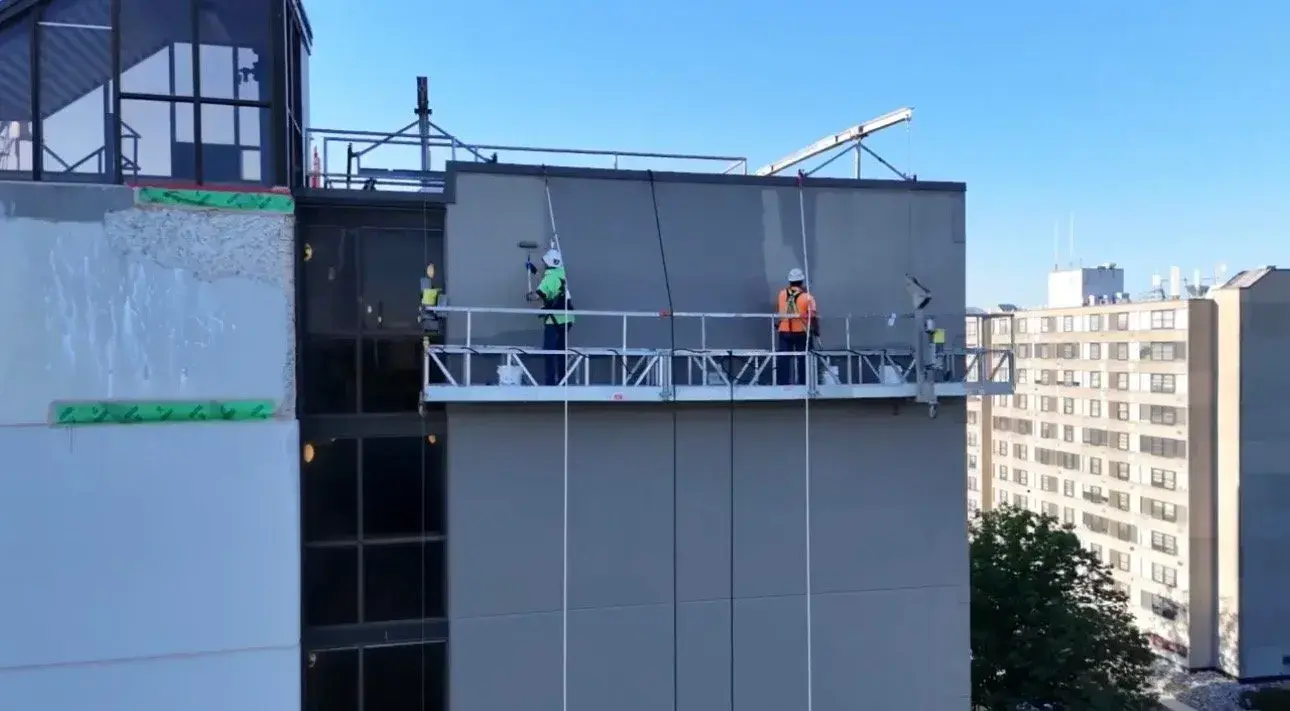
Most contractors in Florida treat concrete corrosion like a surface problem. They patch the spall, skim-coat the area, and move on. Six months later, the rust stain bleeds through again because the chloride contamination that caused the corrosion in the first place is still inside the concrete, still attacking the rebar, and now compromising the patch along with the original slab. Surface-only repairs do not work in coastal Florida. Here is why, and here is what actually stops the cycle.
By reading this guide from Anthony Pennacchi & Sons, you'll learn:
- • How concrete corrosion begins and why Florida's climate accelerates it
- • Early signs that indicate your concrete may be corroding
- • Why coastal properties corrode three times faster than inland properties
- • The cost of waiting too long, and what proactive owners do differently
- • Effective measures to prevent and repair concrete corrosion, saving you from costly repairs
What Is Concrete Corrosion and How It Occurs
Concrete corrosion refers to the deterioration of concrete caused by chemical reactions, often involving moisture, salt, and other contaminants that penetrate the surface. Over time, this process affects the steel reinforcement (rebar) embedded inside the concrete, leading to weakening and cracks, especially in regions like Palm Beach, Florida.
The Corrosion Process
In Florida, chloride ions from saltwater are the primary cause of corrosion. Saltwater, carried by rain or ocean spray, seeps into concrete and reaches the rebar. The chloride ions break down the passive oxide layer that typically protects steel rebar. As a result, the steel begins to rust. Rust occupies several times the volume of the original steel, causing internal pressure. This pressure leads to cracks and spalling (the breaking away of concrete), weakening the structure.
Saltwater's Role
Saltwater exposure is especially dangerous to concrete in coastal regions like Florida. The continuous presence of salt from seawater accelerates the breakdown of the rebar and concrete, leading to faster deterioration compared to inland areas. As seawater and humid air carry chloride ions into the concrete, the corrosion process speeds up, putting coastal structures at greater risk.
Coastal vs. Inland Florida: Why Location Matters
In our 75+ years of masonry and restoration work, the single biggest variable in concrete lifespan is distance from the ocean. A concrete seawall, parking garage, or condo balcony directly on the Atlantic in Palm Beach can show structural distress in 15–25 years. The same construction five miles inland often runs 40–60 years before significant restoration is needed. The difference is chloride load.
Wind-driven salt spray reaches roughly two miles inland in significant concentrations and continues to deposit measurable chloride at four to five miles. Beyond that, airborne salt drops off sharply. Inland Palm Beach County structures still face heat, humidity, and carbonation, but the dominant accelerator (chloride attack on rebar) is mostly absent. That is why we spec different concrete mix designs, different rebar coatings, and different inspection cycles for oceanfront work versus inland work. The construction details that protect a beachfront condo are overkill on a Wellington warehouse, and the details that work in Wellington will fail fast on the barrier island.
Common Causes of Concrete Corrosion in South Florida
Florida's coastal environment creates the perfect conditions for concrete corrosion. Here are the key factors that contribute to this problem:
| Cause | Description |
|---|---|
| Saltwater Exposure | Salt from seawater or coastal rain accelerates the corrosion of rebar inside concrete. Chloride ions penetrate the concrete, breaking down the protective layer around the steel. |
| High Humidity & Moisture | Florida's high humidity and frequent rainfall allow moisture to seep into the concrete, contributing to corrosion of the rebar. |
| Carbonation | When CO2 in the air reacts with the concrete, it lowers the pH, making the rebar more susceptible to corrosion. This is especially common in older concrete structures. |
| Poor Construction or Maintenance | Concrete that is poorly mixed, not properly cured, or inadequately sealed allows moisture and chlorides to enter, speeding up the corrosion process. |
| Insufficient Concrete Cover | Rebar set too close to the surface lets chlorides reach the steel years sooner. Florida coastal code requires deeper cover for this reason; older buildings predate those rules. |
The combination of these environmental factors and poor construction practices often leads to faster corrosion, especially in coastal properties.
Warning Signs of Concrete Corrosion in Florida Properties
Early detection of concrete corrosion can prevent extensive damage and costly repairs. Here are some common signs that indicate your concrete may be deteriorating due to corrosion:
- Cracks and Spalling: Visible cracks or areas where concrete has broken off (spalling) are often caused by the expansion of rusting rebar. This is one of the first signs of corrosion.
- Rust Stains: Rust marks on the concrete surface, often near cracks, are caused by the corroding rebar beneath. These stains are reddish-brown and indicate that corrosion has begun.
- Hollow Sounds: When tapping the concrete, a hollow sound may suggest that the rebar has deteriorated, and the concrete is no longer securely bonded to the steel.
- Efflorescence: White, powdery deposits on the concrete surface can indicate moisture movement, which could lead to further corrosion.
- Increased Moisture or Mold: Persistent moisture or mold growth on the concrete surface can indicate ongoing water intrusion, which accelerates corrosion.
- Delamination on Balconies and Walkways: Hollow-sounding patches under foot traffic on condo balconies or parking decks. Common warning sign during 40-year recertification inspections.
Recognizing these warning signs early allows for timely intervention, which can prevent more significant structural damage.
The Cost of Waiting Too Long
Concrete corrosion is one of the few structural problems that gets dramatically more expensive the longer you wait. The repair scope doubles roughly every five years a coastal building goes without intervention, because the damage compounds rather than holding steady.
- Year 1–3 (early): Hairline cracks and surface rust staining. Minor patching, sealant application, and protective coating address the issue. Affordable, non-disruptive.
- Year 4–7 (intermediate): Visible spalling and exposed rebar. Concrete must be chipped back to sound material, rebar cleaned or partially replaced, and structural mortar reapplied. Scope and cost roughly triple.
- Year 8+ (advanced): Section loss in rebar, loss of structural capacity, possible engineering involvement. Restoration may require shoring, full slab or balcony rebuilds, and load-path analysis. This is the territory where 40-year recertification reports start mandating immediate action.
For condo associations, parking garage owners, and oceanfront property managers, the financial argument almost always favors early intervention. We see the same buildings every few years and the trend is consistent: owners who acted on the first rust stain spend a fraction of what neighbors paid after waiting for spalling.
Effective Strategies for Corrosion Prevention & Management
Preventing concrete corrosion in Florida, especially in areas like Palm Beach and West Palm Beach, is more cost-effective than waiting for significant damage to occur. The following strategies can help protect your concrete structures from corrosion:
Use of High-Performance Concrete Mixes
High-performance concrete mixes with low water-to-cement ratios are highly effective at resisting moisture and chloride penetration. These mixes create a denser concrete structure that is less permeable, which reduces the risk of corrosion. Incorporating supplementary materials, like fly ash or silica fume, further enhances the concrete's durability. By using high-performance concrete, you can significantly extend the lifespan of concrete in coastal regions.
Corrosion-Resistant Materials
When building or repairing concrete structures in Florida, using corrosion-resistant materials such as epoxy-coated rebar, stainless steel, or fiberglass rebar is essential. These materials resist the effects of chloride-induced corrosion, helping to prevent structural damage over time. Additionally, polymer-modified concrete (which includes additives to reduce permeability) can further enhance resistance to corrosion. These materials provide an additional layer of protection, making them ideal for coastal construction.
Protective Coatings, Sealants, and Waterproofing Membranes
Applying protective coatings and sealants is one of the most effective ways to protect concrete from saltwater and moisture. Waterproofing membranes act as barriers, preventing water and salt from reaching the concrete surface. Sealing concrete surfaces also reduces permeability, protecting rebar from the corrosive effects of saltwater exposure. Regularly applying these protective coatings can prevent moisture intrusion and salt buildup, reducing the risk of corrosion. For coastal properties like foundations, seawalls, and parking garages, these treatments are critical.
Regular Maintenance and Inspections
Regular inspections are essential for detecting early signs of corrosion. A professional inspection can help identify cracks, moisture issues, and other potential problems before they become significant. Scheduling inspections after heavy rain, storms, or flooding is particularly important, as these conditions can exacerbate corrosion. Routine maintenance, such as sealing cracks and ensuring proper drainage, can also prevent moisture buildup that accelerates corrosion.
Concrete Corrosion Repair Techniques
When concrete corrosion is detected, timely repairs can prevent further damage. Here are the most common methods used to repair corroded concrete in Florida:
| Repair Technique | Description |
|---|---|
| Patching & Resurfacing | Used for minor surface cracks and spalling, this method involves applying repair mortars or overlays to restore the surface. |
| Epoxy Injection | Epoxy resins are injected into cracks to seal them and bond the concrete, helping to restore its structural integrity. |
| Rebar Replacement | When the rebar is severely corroded, it must be replaced. This involves removing damaged concrete and rebar, then re-pouring new concrete. |
| Cathodic Protection | An electrical system that drives a small protective current through the rebar, halting active corrosion. Used on critical coastal structures, parking garages, and bridges. |
| Surface Sealants | Protective coatings and sealants are applied to prevent further water and salt penetration, reducing the likelihood of continued corrosion. |
Each method depends on the severity of the corrosion and the specific structure needing repair. A professional inspection will determine the best course of action for each situation.
What a Restoration Project Actually Looks Like
Owners often ask what to expect when a building moves from inspection to active restoration. The general flow on an Anthony Pennacchi & Sons project runs like this:
- Step 1. Field assessment: Visual survey, sounding (chain drag or hammer tap) to map delaminated areas, chloride sampling on critical structures, and a written scope.
- Step 2. Engineering review: For load-bearing repairs, a structural engineer signs off on shoring requirements and rebar replacement specs before work begins.
- Step 3. Concrete removal: Damaged concrete is chipped back to sound material around each spalled area, exposing the rebar at least two inches past the corrosion zone.
- Step 4. Rebar treatment: Rebar is wire-brushed, sandblasted, or replaced. A corrosion-inhibiting primer goes on before any new concrete is placed.
- Step 5. Repair material placement: Polymer-modified, low-shrinkage repair mortar is hand-packed or formed and poured. Cure times vary by product.
- Step 6. Protection system: A chloride-resistant coating, waterproofing membrane, or sealant is applied across the full structure, not just the patched area, to slow chloride re-entry.
Project length runs from a few days for small residential repairs to several months for full condo or parking-garage restoration. Owner communication is critical because the work affects access, parking, and noise on occupied properties.
Why Choose Us as Your Concrete Restoration Company
Here's why property managers, owners, and engineers choose Anthony Pennacchi & Sons for concrete restoration and protection in Florida:
- 75+ Years of Experience: We bring over 75 years of expertise, with a focus on providing long-term protection for Florida's coastal properties.
- 4th-Generation Family Business: Founded in 1947 and run by the fourth generation of the Pennacchi family. Multi-state operations across Florida, New Jersey, New York, and Pennsylvania.
- Skilled Restoration Team: Our highly trained craftsmen and engineers specialize in diagnosing, repairing, and preventing concrete corrosion.
- Local Building Code Knowledge: We are experts in Florida's coastal building codes and ensure that all work complies with local regulations, including 40-year recertification requirements.
- Florida State Licensed: CGC1538576. Fully licensed, bonded, and insured for residential, commercial, and industrial restoration work.
- Fast Response Time: We respond quickly to minimize disruptions and keep your concrete restoration projects on track.
- Clear Communication: We maintain open and transparent communication throughout every project.
- Safe, Compliant Methods: We follow the highest safety standards and use only the best materials for long-lasting results.
- High-Quality Materials: From corrosion-resistant rebar to premium waterproofing products, we only use the best materials available.
- Full Project Supervision: We oversee every step of the process to ensure timely and successful completion of your restoration project.
Frequently Asked Questions
What causes rebar inside concrete to corrode?
Rebar corrosion is caused by chloride ions from saltwater or moisture penetrating concrete. These ions break down the protective layer around the rebar, causing it to rust. Rust expands, creating pressure and cracking the surrounding concrete.
How does saltwater affect concrete in coastal areas?
Saltwater accelerates concrete corrosion by introducing chloride ions that penetrate the concrete and disrupt the protective oxide layer around the rebar. This leads to rusting, cracking, and weakening of the concrete.
What are the warning signs of concrete corrosion?
Look for cracks, spalling, rust stains, hollow sounds when tapping, and mold growth. These signs indicate that the concrete may be corroding due to rusted rebar.
Can coatings and sealants prevent corrosion?
Yes, coatings, sealants, and waterproofing membranes are highly effective at preventing moisture and salt penetration, which protects the concrete from corrosion. Regular application of these treatments is essential.
What repair methods are used for corroded concrete?
Common repairs include patching and resurfacing, epoxy crack injection, rebar replacement, cathodic protection on critical structures, and applying protective coatings to prevent further damage.
How often should I have my concrete inspected?
Coastal properties within two miles of the ocean benefit from a professional inspection every 2–3 years. Inland Palm Beach County properties can run on a 5-year cycle. Always schedule an additional inspection after a major storm, hurricane, or any visible damage.
How long does a concrete restoration project take?
Small residential repairs typically wrap in 3–7 days. Mid-size commercial projects run 2–6 weeks. Full condo or parking-garage restorations can take 3–9 months depending on scope, building occupancy, and engineering requirements.
Is concrete corrosion related to the 40-year recertification process?
Yes. South Florida's 40-year recertification (and 25-year for buildings within three miles of the coast in some counties) almost always flags spalling, exposed rebar, and waterproofing failures that trace back to corrosion. Addressing these issues proactively is much faster and cheaper than racing a recertification deadline.
Conclusion: Protecting Concrete from Corrosion in Florida
Concrete corrosion in Florida is a pressing issue, particularly in coastal regions. By understanding how corrosion occurs and taking proactive measures, property owners can protect their buildings from severe damage. From using high-performance concrete mixes to applying protective coatings, there are several ways to slow or prevent corrosion. Regular inspections and timely repairs are essential to maintaining structural integrity. If you manage a property in Florida, it's important to stay vigilant and proactive in addressing concrete corrosion. Contact Anthony Pennacchi & Sons today at (561) 475-0775 for professional restoration services to protect your investment and ensure your concrete structures remain safe and durable for years to come.
Need help with your property?
4th-generation experts. 75+ years of experience. estimates.
Call (561) 475-0775No obligation. FL License CGC1538576.
Related Services
SHARE
More Press Coverage

Experience Our Award-Winning Service
See why The Monitor and other publications feature Anthony Pennacchi & Sons. Contact us today for your next project.