Published October 31, 2025
By Anthony Pennacchi & Sons Team
Anthony Pennacchi & Sons Blog
10 Warning Signs Your South Florida Building Needs
Commercial Concrete Repair
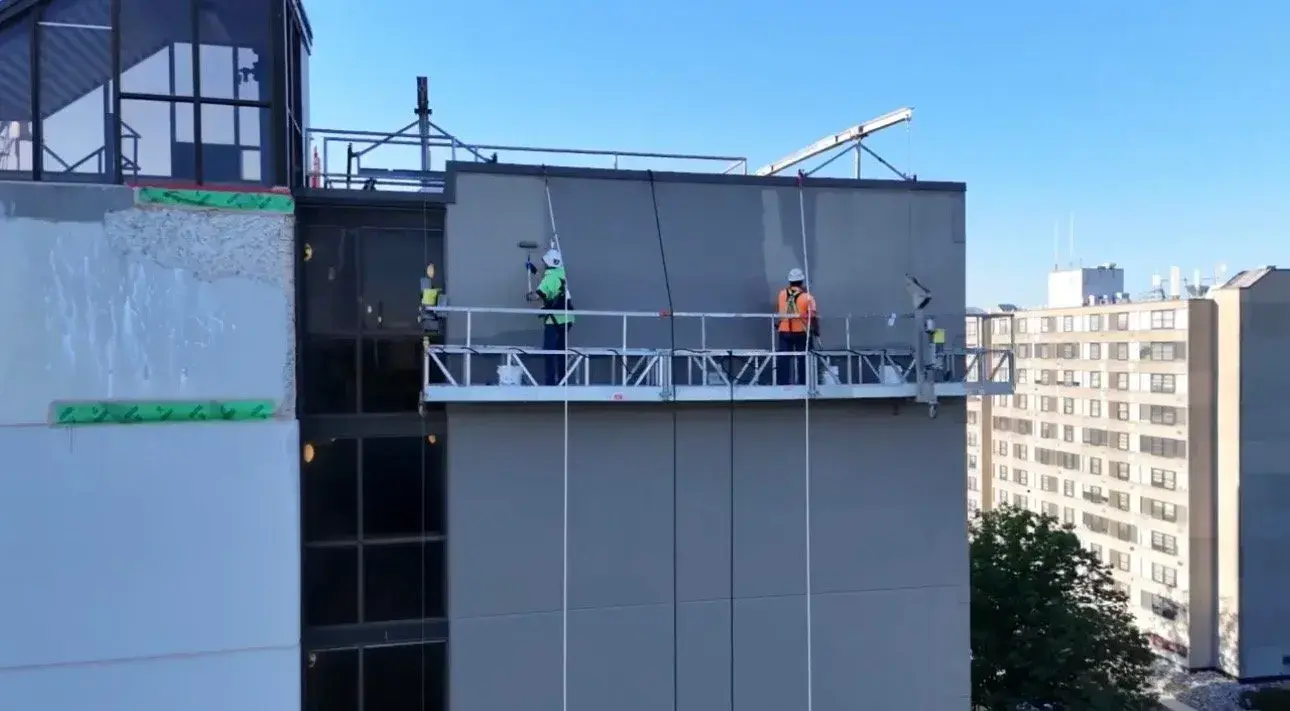
Most commercial property managers in South Florida wait until a crack becomes a trip hazard before calling for concrete repair. By that point, the damage visible on the surface is the least of the problem. Salt-laden moisture has already reached the rebar, corrosion is expanding inside the slab, and what looks like a $5,000 patch job is now a $50,000 structural repair. Here is how to spot the warning signs early enough to fix them before they multiply.
These issues create safety hazards and lead to expensive repairs if ignored. Spotting damage early lets you act fast, saving money and keeping your property safe and functional.
Here's what this guide will help you understand:
- • How to spot visible and hidden concrete damage
- • Why early repairs save money and prevent disruptions
- • Practical methods to restore damaged concrete
- • When to hire professionals for lasting results
10 Signs You Need Commercial Concrete Repair
1. Visible Cracks in Concrete
What to Look For: Hairline cracks, wide gaps, spiderwebbing patterns, or deep structural fractures on parking lots or warehouse floors.
Why It Matters: Cracks let water, debris, and chemicals seep in, weakening the slab and creating trip hazards. In West Palm Beach, humidity and temperature shifts worsen cracks, making early concrete crack repair vital to prevent costly damage.
2. Spalling and Flaking Concrete
What to Look For: Crumbling concrete, flaking surfaces, exposed aggregate, or eroded patches on walkways or exterior slabs.
Why It Matters: Spalling, often caused by saltwater corrosion in West Palm Beach, weakens concrete and risks structural failure. Florida's humidity and occasional cool weather worsen moisture damage.
3. Uneven or Sunken Concrete
What to Look For: Slabs that are sunken, tilted, or creating uneven surfaces in high-traffic areas like loading docks or walkways.
Why It Matters: Uneven surfaces cause trip hazards and accessibility issues. Florida's heavy rain and humidity soften soil, causing slabs to sink. Concrete leveling lifts slabs, ensuring safety.
4. Visible Corrosion or Rust Stains
What to Look For: Rust-colored streaks, exposed rebar, or corroded reinforcement in concrete.
Why It Matters: Corrosion weakens concrete's structure, risking collapse in industrial spaces. West Palm Beach's coastal saltwater and humidity speed up rust.
5. Water Intrusion or Moisture Issues
What to Look For: Pooling water, damp spots, efflorescence (white powdery residue), or mold growth on concrete surfaces.
Why It Matters: Moisture weakens concrete, promotes mold, and speeds up erosion. Florida's heavy rains and humidity worsen this issue. Professional concrete restoration addresses these problems before they become structural.
6. Discoloration or Staining
What to Look For: Yellow, gray, or unusual stains on concrete, often in parking lots or warehouse floors.
Why It Matters: Stains from oil, chemicals, or moisture weaken concrete, especially in Florida's humid climate. Concrete resurfacing restores strength and appearance.
7. Large Cracks or Structural Shifts
What to Look For: Deep cracks, sinking floors, or misaligned doors and windows in your building.
Why It Matters: These signal foundation issues, compromising building stability. Florida's rain and soil shifts cause these problems.
8. Expansion Joint Deterioration
What to Look For: Gaps or crumbling sealants in the joints between concrete slabs.
Why It Matters: Deteriorated joints allow water and debris to enter, causing cracks or uneven slabs. West Palm Beach's wet climate speeds up damage.
9. Pooling Water or Poor Drainage
What to Look For: Standing water in parking lots, walkways, or near foundations after rain.
Why It Matters: Poor drainage lets water seep into cracks, eroding slabs. Florida's heavy rain and humidity worsen this.
10. Settling or Shifting Foundation
What to Look For: Uneven floors, shifting walls, sticking doors, or windows in your building.
Why It Matters: Foundation settlement signals deep structural issues, risking safety. West Palm Beach's rain and coastal erosion cause soil instability.
Why Early Repair Saves Money in Florida
Cost-effectiveness: Fixing small cracks or spalling costs $200-$500, while replacing a parking lot can exceed $10,000. In West Palm Beach, humidity, rain, and salt speed up damage, so early repairs stop issues from growing.
Safety and Liability: Uneven slabs or trip hazards can injure employees or customers. Florida's strict rules require safe surfaces to avoid lawsuits or fines.
How to Repair Your Commercial Concrete
Restoring commercial concrete uses specific techniques. DIY sealants might fix small cracks, but most repairs need professional skills.
- Concrete Crack Repair: Epoxy or polyurethane injections seal cracks and block water
- Resurfacing and Patching: Adds a thin layer to restore strength and looks
- Slab Leveling: Mudjacking or polyurethane foam lifts uneven slabs
- Coatings and Sealants: Protects from moisture, chemicals, and UV rays
When to Hire a Professional in Florida
Complex repairs need professional skills and tools. Professionals provide durable fixes that last 10-20 years with proper care. Licensed contractors ensure repairs meet Florida's strict building codes and safety standards.
Why Choose Our Concrete Restoration Services?
At Anthony Pennacchi & Sons, we've been perfecting concrete restoration and masonry for over 75 years. Our team's extensive experience and commitment to quality make us the top choice for commercial properties in Florida.
Why Choose Us:
- • Expertise Across Generations - Over 3,000 successful projects
- • Proven Results in Florida's Climate
- • 24/7 Emergency Services
- • Certified Professionals
- • Unmatched Client Satisfaction
Frequently Asked Questions
How often should commercial concrete surfaces be inspected?
Inspect yearly or after major weather events like hurricanes. Regular checks find cracks, spalling, or unevenness early.
What is the typical cost of commercial concrete repair?
Small crack repairs cost $200-$500, while leveling or resurfacing ranges from $1,000 to $10,000.
How long can I expect concrete repairs to last?
Good repairs last 10-20 years with proper care. Regular sealing and checks extend repair life in Florida's climate.
How does Florida's climate affect concrete durability?
Florida's humidity, rain, and saltwater speed up concrete damage, causing cracks, spalling, and rust.
Can uneven concrete be fixed without replacement?
Yes, slab leveling with mudjacking or polyurethane foam lifts sunken slabs without replacement.
Conclusion
Cracks, spalling, uneven slabs, or moisture issues threaten your commercial property in West Palm Beach and Palm Beach, FL. Florida's humid, rainy, and salty climate speeds up damage, making early repairs vital. Spotting these signs early saves money, ensures safety, and keeps your business running smoothly.
Contact Anthony Pennacchi & Sons in West Palm Beach and Palm Beach, FL, for expert concrete restoration services. With over 75 years of experience, they deliver lasting solutions. Call (561) 475-0775 to schedule an assessment today.
Related Services
Protect Your Commercial Property
Contact Anthony Pennacchi & Sons for expert concrete repair and restoration in West Palm Beach and Palm Beach, FL.
Call (561) 475-0775SHARE
More Press Coverage
Experience Our Award-Winning Service
See why The Monitor and other publications feature Anthony Pennacchi & Sons. Contact us today for your next project.