Published November 17, 2025
By Anthony Pennacchi & Sons Team
Anthony Pennacchi & Sons Blog
3,000+ Projects Later: How We Restore
South Florida Concrete
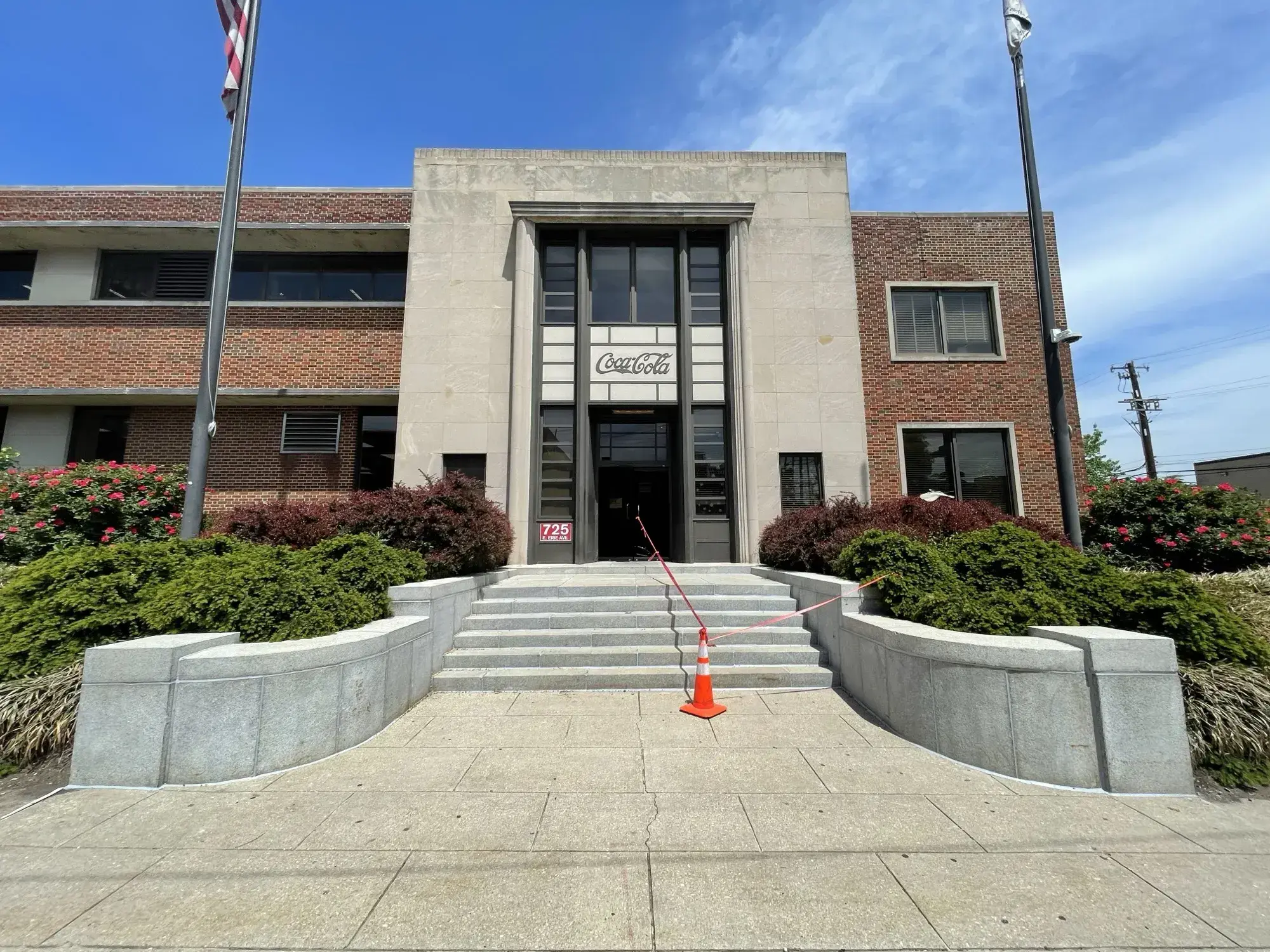
The default response to cracked or spalling concrete is to patch it with a bag-mix repair mortar and move on. That fix lasts about two rainy seasons in South Florida before the same crack reopens, usually wider, because the patch did not address why the concrete failed in the first place. Proper restoration starts with diagnosing the failure mechanism, not covering it up. Here are the techniques that actually hold up in Florida's climate and the ones that waste your money.
This blog from Anthony Pennacchi & Sons will guide you through the best practices and proven techniques used to restore concrete, repair damage, and protect your structure for the long term. You will learn what causes common problems, how experts diagnose them, and which repair methods offer the strongest results. Everything is explained in a simple, clear way so you can understand what your building needs and feel confident as you read.
By reading this blog, you will learn:
- • Common concrete issues that need restoration
- • The best techniques and materials used for concrete repairs
- • How to extend the life of your concrete structure with preventive strategies
- • Why professional concrete restoration is essential for long-term durability
Common Issues in Concrete Structures That Need Restoration in Florida
Concrete structures face various challenges over time, especially in regions like Palm Beach, where salt exposure and humidity are common. Recognizing the key signs of damage helps you determine when professional concrete restoration is necessary.
Cracks
Concrete cracks can develop due to shrinkage, changes in temperature, structural loads, or simply the aging process. While minor cracks might seem harmless, they can become entry points for water, salts, and chemicals that accelerate the deterioration process. Left unchecked, cracks can compromise the structural integrity of your building.
Spalling
Spalling occurs when the concrete surface breaks off in flakes or patches. It is usually caused by moisture entering the concrete and corroding the steel reinforcement beneath. This corrosion leads to cracks and surface damage that weakens the overall structure. Spalling is particularly common in coastal regions due to saltwater exposure.
Water Infiltration
Water is one of the most damaging elements for concrete. When it enters through cracks or pores, it can cause rusting of the rebar inside, erosion, or mold growth. In areas with high rainfall or humidity, such as Florida, the risk of water infiltration is even greater.
Corrosion of Reinforcement
Steel reinforcement inside concrete can corrode when it is exposed to moisture, air, and chlorides (such as from saltwater). As the steel rusts, it expands and puts pressure on the concrete, causing it to crack and deteriorate further. This process is often the root cause of spalling and surface cracking.
Surface Damage
Surface issues, such as scaling, flaking, or crazing, are common but may appear harmless. However, these surface problems are often indicative of underlying issues that need attention. If left unresolved, surface damage can lead to more serious structural deterioration over time.
Best Practices for Concrete Restoration
The key to successful concrete restoration in the Palm Beach and West Palm Beach area is taking the right steps from start to finish. This includes assessing the damage, preparing the surface, choosing the right materials, and applying them using proven techniques.
Detailed Assessment and Diagnosis
A thorough inspection is the first step in restoring concrete. The assessment process involves identifying the root cause of the damage and determining the appropriate repair method. Common tools used in the inspection process include ultrasonic testing and infrared thermography, which help detect hidden moisture or structural weaknesses. Early detection ensures that repairs are targeted and effective.
Surface Preparation
Proper surface preparation is critical to a successful restoration. Before applying any repairs, the concrete surface must be cleaned and free of contaminants. This involves removing loose concrete, dirt, dust, and any old coating. Methods like grinding, sandblasting, or pressure washing help prepare the surface for bonding with repair materials.
Choosing the Right Materials for Restoration
Different types of damage require different repair materials. Commonly used materials for concrete restoration include:
| Material Type | Use Case | Benefits |
|---|---|---|
| Epoxy Resins | Crack repair, structural bonding | Strong adhesion, fills deep cracks, restores strength |
| Hydraulic Cement | Patching and filling holes | Quick-setting, ideal for small to medium repairs |
| Polymer-Modified Concrete | Surface repairs, overlays | High durability, strong bonding, ideal for moisture resistance |
| Bonding Agents / Sealants | Joining new and old concrete, waterproofing cracks | Improves adhesion, reduces permeability, seals against water |
Application Techniques
Several techniques are available for concrete restoration, each depending on the type of damage:
- Epoxy Injection: Used to fill cracks and bond fractured concrete. It restores strength and prevents water infiltration.
- Dry-Pack Method: Ideal for patching deep holes. It involves mixing a dry, cement-based material and compacting it into the damaged area.
- Concrete Resurfacing: This technique adds a new layer of concrete to older surfaces, restoring their appearance and durability.
- Preplaced Aggregate Concrete: Typically used for large-scale repairs, especially in areas exposed to heavy loads, like bridges and docks.
Curing and Sealing
Curing is essential to ensure that the repair material properly bonds and strengthens. After the curing period, applying a waterproof sealant or protective coating helps prevent future moisture ingress, erosion, and surface wear.
Advanced Concrete Restoration Techniques For Florida
For severe damage, especially in structural components, advanced restoration techniques are necessary.
Rebar Reinforcement
When the internal reinforcement (rebar) corrodes, it weakens the structure significantly. To address this, the damaged rebar is exposed, cleaned, and treated with rust inhibitors. In some cases, the rebar is replaced or supplemented to ensure structural stability. Proper rebar treatment is essential for maintaining long-term durability.
Polymer-Modified Concrete
Polymer-modified concrete offers superior bonding and resistance to moisture, making it ideal for surfaces exposed to harsh weather or chemicals. This material also improves the overall strength of the restored concrete, which is particularly important in high-traffic or heavily exposed areas.
Epoxy and Urethane Sealants
Epoxy and urethane products are frequently used in advanced concrete restoration. Epoxy injection works by filling cracks and binding fractured concrete together. Urethane sealants, on the other hand, are flexible and waterproof, making them suitable for sealing cracks or joints that may experience movement.
Preventative Strategies for Long-Term Concrete Durability
In addition to restoration, long-term protection is crucial for ensuring the concrete continues to perform well.
Regular Inspections
Concrete should be inspected regularly to catch early signs of damage. Routine checks for cracks, moisture damage, and surface deterioration can prevent small issues from becoming major problems. Early inspections help you prioritize repairs before damage worsens.
Preventive Maintenance
Regular maintenance, such as cleaning and sealing concrete surfaces, is an effective way to prevent future damage. Reapplying protective coatings every few years helps maintain a barrier against water, salt, and chemicals that can deteriorate the surface.
Environmental Considerations
For concrete structures in coastal areas like Palm Beach, it is essential to address the effects of salt exposure. Saltwater accelerates corrosion of rebar and causes surface damage. By using high-performance, corrosion-resistant materials and applying protective sealants, the durability of the structure can be extended.
Why Choose Us for Your Concrete Restoration Needs in Florida?
Here's why property owners, managers, and facility teams trust Anthony Pennacchi & Sons for their concrete restoration projects:
- 75 Years of Experience: We bring over 75 years of industry experience to every project, ensuring that our work is backed by decades of expertise in concrete restoration.
- Skilled Restoration Team: Our team is composed of highly trained craftsmen and restoration experts who are dedicated to delivering the highest quality concrete repairs.
- Local Building Code Knowledge: We are familiar with Palm Beach's building codes and ensure that every restoration project complies with all relevant regulations and standards.
- Fast Response Time: We understand the urgency of concrete damage and strive to respond quickly, minimizing disruptions to your property.
- Clear Communication: We believe in transparent communication throughout every stage of the restoration.
- Safe and Compliant Methods: Safety is our priority. We adhere to strict safety standards and regulations.
- High-Quality Materials: We use only the best materials for our concrete restoration projects, ensuring durability and long-lasting results.
- Full Project Supervision: From start to finish, we oversee every aspect of your restoration project.
Conclusion
Concrete restoration is essential for preserving the strength and safety of your building. By addressing issues like cracks, spalling, and water infiltration early, you ensure long-term durability. In areas like Palm Beach & West Palm Beach, where salt and humidity accelerate damage, timely restoration is even more critical. If your concrete is showing signs of wear, don't wait, contact Anthony Pennacchi & Sons today at (561) 475-0775 for expert concrete restoration.
Need help with your property?
4th-generation experts. 75+ years of experience. estimates.
Call (561) 475-0775No obligation. FL License CGC1538576.
SHARE
More Press Coverage
Experience Our Award-Winning Service
See why The Monitor and other publications feature Anthony Pennacchi & Sons. Contact us today for your next project.