Published October 3, 2025
By Anthony Pennacchi & Sons Team
Anthony Pennacchi & Sons Blog
Florida Stucco Cracking?
The 6 Most Common Problems and How We Fix Them
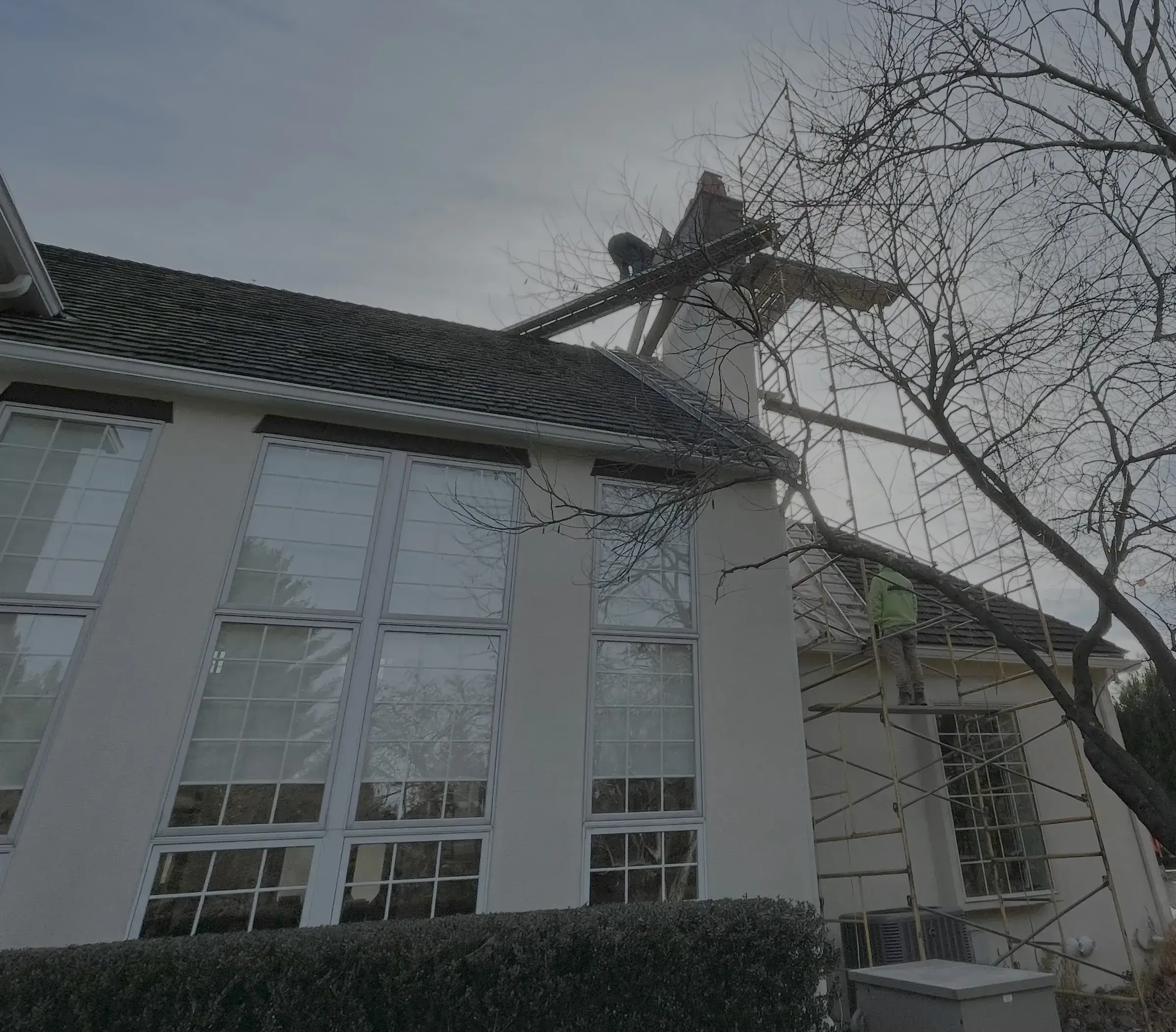
Caulking over a stucco crack is the most common DIY fix in Florida and the reason most stucco problems come back worse within a year. The crack is a symptom. The moisture trapped behind the wall, the substrate movement causing the separation, or the failed flashing directing water into the assembly is the actual disease. Until you address what is happening behind the stucco, every surface repair is temporary. Here is how to diagnose stucco problems correctly and fix them once.
Stucco meets problems over time. Sun, rain, humidity, and temperature changes wear it down in Palm Beach County. Foundation shifts add stress. Poor drainage holds water against walls. Installation errors create weak spots. You act early to keep water out. You maintain the wall system. Repairs restore the finish.
By the end of this guide, you will know how to:
- • Spot early damage with simple checks
- • Pick repair steps that match the problem
- • Set care routines for wet, hot weather
- • Choose between self-fixes and expert help
Common Stucco Issues In Florida
Stucco faces repeated contact with weather and ground movement. This leads to clear patterns of failure. Property owners see cracking, water-related harm, layer separation, color changes, and rough spots most often.
Cracking and Shrinkage
Cracks form when the ground under a building settles after construction ends. The structure moves a small amount. This pulls on the stucco. Daily heat makes the material grow larger.
Hairline Cracks: Hairline cracks start narrow. While they may look harmless, they can hide issues behind the stucco. Rain enters them. Water freezes in cold snaps or simply sits in warm, wet air, pushing material apart and turning thin lines into wide gaps.
Moisture Damage and Mold Growth
Water enters through gaps at windows, doors, or where the roof meets the wall in Palm Beach and West Palm Beach. If you own a commercial property, commercial stucco restoration addresses these failures at scale. Flashing bent wrong or missing lets runoff slide behind stucco. Gutters full of leaves overflow. They soak lower walls.
Mold and Mildew on Stucco: Damp stucco supports mold and mildew. Dark spots spread on the finish coat. Spores travel inside through vents or cracks, affecting the air people breathe.
Stucco Delamination
Water slips past the finish coat. It sits between it and the brown coat below. Weep screeds at the bottom clog or get left out. These screeds drain water. Expansion joints missing mean the whole wall tries to move as one piece.
How to Identify Stucco Damage Early in Florida
You catch problems small by looking often. You know what to search for. Tools stay simple. Use a flashlight, binoculars, and a screwdriver for probing. Check every three to six months. Do it right after big storms.
Regular Inspections
Walk the full perimeter at eye level. Check corners, base, and areas under eaves. Use binoculars for second stories. Mark cracks with chalk. Date them to see growth. Press walls. Firm feel is good. Soft means wet inside.
Effective Methods for Stucco Repair
Fixes depend on how deep damage goes. Prepare by removing loose parts. Clean rust. Dry fully. Work in shade. Keep temperatures 50–90°F. No rain forecast for 48 hours.
Repairing Cracks
Hairline to 1/8 inch: Cut open to 1/4 inch wide. Brush out dust. Fill with elastomeric caulk using a gun. Tool smooth.
1/8 to 1/2 inch: Grind V-groove. Prime with bonding agent. Pack stucco patch in two lifts. Scratch first layer. Smooth second.
Professional vs DIY Stucco Restoration
Small patches you handle with a $30 tube of repair compound. Use a putty knife. Match color by testing paint on cardboard first. Do self-repairs on spots under 2 square feet with no water signs behind. Hire for larger or high areas.
Preventing Future Stucco Issues
Care routines stop most problems. Combine cleaning, water management, and seals. Wash once a year. Check seals spring and fall. Touch up paint every 5–7 years.
Stucco Restoration Done Right
Anthony Pennacchi & Sons has operated since 1947 as a family-owned commercial masonry, commercial waterproofing, and commercial restoration specialist. With over 75 years of experience and 3,000+ completed projects, we deliver lasting protection against Florida weather. We serve homeowners and businesses across South Florida, including Boca Raton and the greater Palm Beach area.
Why Choose Us:
- • 75+ Years of Generational Craftsmanship
- • Tailored for Palm Beach Climate Challenges
- • 24/7 Emergency Response for Urgent Needs
- • Certified Expertise and Advanced Restoration Systems
- • Trusted Results Backed by Client Feedback
Frequently Asked Questions
What is the most serious problem with exterior stucco?
Water behind layers rots framing and grows mold fast.
How to fix deteriorating stucco?
Cut out soft parts, treat substrate, rebuild three coats with mesh. Seal to block water intrusion.
Can water get behind stucco?
Yes, via poor flashing, cracks, or no weep holes. It traps and expands.
How can I prevent water damage to my stucco walls?
Clear gutters, grade soil, seal joints. Clean debris regularly.
When should I consider professional stucco services?
For water signs, big areas, or code needs in stucco repair Palm Beach.
Conclusion: Keep Your Stucco in Top Condition
Spot damage early with regular walks. Repair with matched steps for cracks, water, or layers. Prevent with clean drains, seals, and space from plants. Self-fix small spots. Call pros for big or hidden issues.
Contact Anthony Pennacchi & Sons in Florida. Call (561) 475-0775 for your inspection and estimate. Protect your property today.
Related Services
Ready to Fix Your Stucco?
Contact Anthony Pennacchi & Sons for expert stucco repair and restoration in West Palm Beach and Palm Beach, FL.
Call (561) 475-0775SHARE
More Press Coverage

Experience Our Award-Winning Service
See why The Monitor and other publications feature Anthony Pennacchi & Sons. Contact us today for your next project.