Published October 2, 2026
By Anthony Pennacchi & Sons Team
Anthony Pennacchi & Sons Blog
Fort Lauderdale Commercial Exteriors: Should You Repair Now or Wait?
The rainy season has just shown you where your building lets water in. Here is how to decide whether to repair now or hold the work for later.
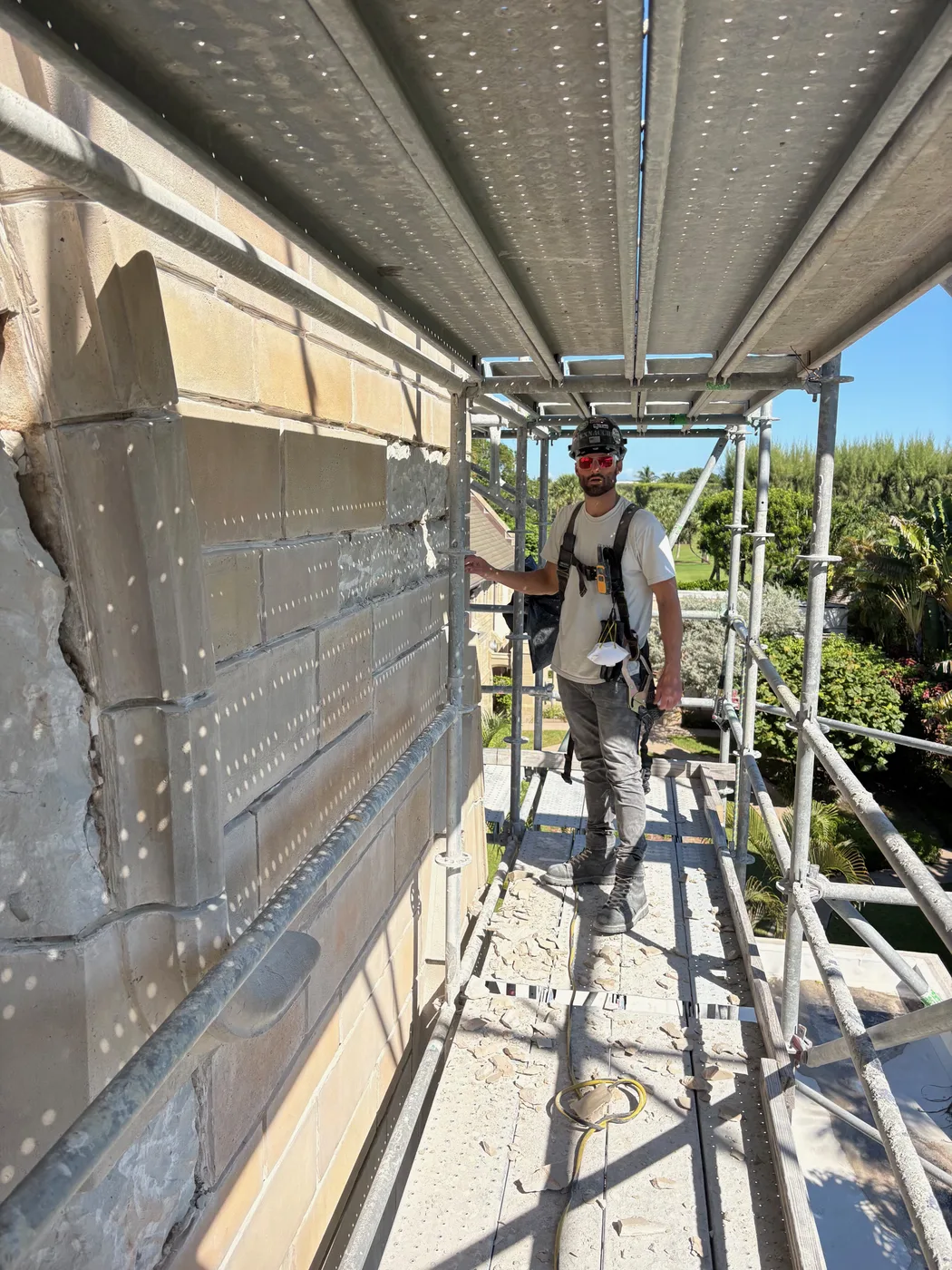
Repair Now or Wait: The Short Answer
For most Fort Lauderdale commercial buildings, repairing now is the better call. The rainy season has just tested every joint, crack and coating on the building, so the damage is as easy to read as it will get, and the drier months ahead give caulking and coatings the conditions they need to cure. Waiting does make sense in a few specific situations, covered below. Outside those, leaving identified damage open through more weather only lets it grow.
Why Fort Lauderdale Commercial Buildings Wear Faster
Commercial buildings along the Intracoastal Waterway and toward the beach, including the Las Olas Boulevard corridor, sit closer to the Atlantic than inland Broward County properties and take more salt from the air. Salt breaks down caulking joints, works into masonry and shortens the life of exterior coatings.
Age adds to it. On an older building the sealant in the expansion joints and window perimeters may still be original, and the stucco has moved through years of heating and cooling. At that point the question is often no longer whether to recoat, but how much of the work has moved from maintenance into restoration. An in-person assessment answers that before any money is committed.
The Case for Repairing Now
Damage Is Easiest to Read Right After the Rainy Season
Months of afternoon storms have stressed every weak point in the building envelope. Failed caulking, delaminated coatings, open expansion joints and efflorescence all show on the wall face before drier weather starts to hide surface moisture.
Drier Weather Favors Coatings and Sealants
Lower humidity, steadier temperatures and longer gaps between heavy rains give coatings better adhesion and give sealants time to cure. Coating and caulking work applied in humid, rainy conditions starts at a disadvantage.
Calendars Get Busier as the Rain Eases
Dry season is when owners across South Florida tend to book exterior work. Calling early gives you more room to pick dates that suit your tenants and operations.
When Waiting Makes Sense
Some Fort Lauderdale commercial situations do favor holding the work for later in the dry season.
Peak-Season Operations
Hotels and busy retail properties may need to move exterior access work to a quieter stretch of the year, when tenants and guests are less affected.
Late-Season Storm Damage
If a late storm causes new damage, letting the full picture settle before committing to a scope avoids a second mobilization right after the first.
Budget Authorization Timing
Some ownership structures need approval in a new budget period before repair spending is committed. Getting proper authorization before signing off on scope is the right order, whatever the contractor calendar looks like.
Outside those situations, waiting means leaving known damage open to more weather and competing for a crew later in the season.
What Commercial Exterior Repairs Usually Cover
Expansion Joint and Window Perimeter Caulking
These joints are a common way for water to get into a commercial building. Once a sealant has reached the end of its service life, the repair is full removal and replacement with a sealant suited to South Florida heat and movement, not a new bead over the old one.
Stucco Cracking at Corners and Control Joints
A hairline crack is usually a patch. Left open while water keeps getting in, it can turn into a section that has to come out. Repairing it early keeps the scope at its smallest.
Concrete Spalling on Balconies and Upper-Level Slabs
Buildings near the Intracoastal and the beach tend to show spalling on balconies and upper-level concrete sooner than inland buildings. Treating spalling early keeps it from growing into a larger structural repair.
Exterior Recoating
Once cracks and joints are repaired, a full recoat applied in dry conditions restores the waterproof layer across the wall. Our commercial waterproofing services cover envelope assessment and repair across South Florida, Fort Lauderdale and Broward County included.
Schedule a Fort Lauderdale Building Assessment
Anthony Pennacchi & Sons works with Fort Lauderdale commercial property owners and managers on exterior assessment, repair and restoration. The family has been in masonry and restoration since 1947, across four generations and more than 3,000 completed projects. We are licensed and insured, Florida license CGC1538576.
Pricing follows an in-person inspection. We walk the building, then give you a written proposal with the scope and one total. Call (561) 475-0775 to set up your assessment.
Frequently Asked Questions
How Does Salt Air Affect Fort Lauderdale Commercial Buildings?
Salt air breaks down caulking compounds, works into the pores of masonry and speeds up coating breakdown. Buildings along the Intracoastal Waterway and near the beach take more of it than inland Broward County properties, so exterior maintenance needs tend to show up earlier on a building of the same age and construction. That exposure is one of the things Anthony Pennacchi & Sons weighs when it assesses a building.
Can Exterior Repairs Be Scheduled Around Peak-Season Operations?
Often, yes, with planning. Work can be phased by elevation, so accessible sides of the building are repaired while occupied areas stay in use. The alternative is to push everything later in the dry season, when calendars are fuller and the damage has had more time to grow. How a job is phased depends on the building and is set out in the written proposal.
What Is the First Step for a Fort Lauderdale Property Owner Who Needs Exterior Repairs?
A full exterior assessment before any scope is committed. A qualified masonry contractor walks the building, identifies the deficiencies and separates maintenance items from restoration work. That assessment is the basis for budgeting and scheduling, whichever season you decide to act in. Our Fort Lauderdale commercial waterproofing page explains what the assessment and repair process involves for Broward County properties.