Published November 21, 2025
By Anthony Pennacchi & Sons Team
Anthony Pennacchi & Sons Blog
Your South Florida Condo Is Overdue for a
Masonry Inspection: Here Is Why It Matters
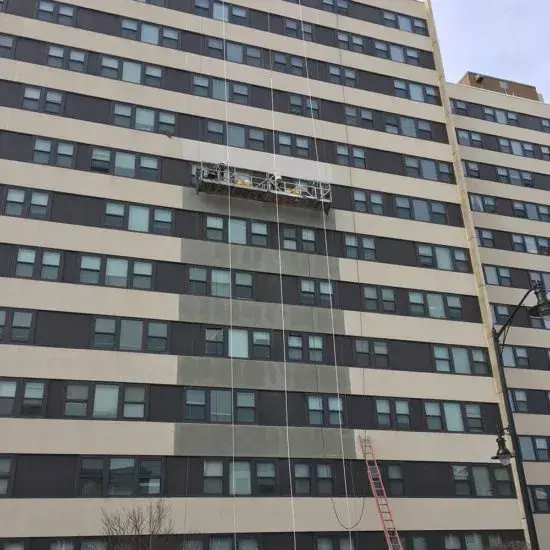
Most condo associations in South Florida skip masonry inspections until a milestone inspection forces the issue or a piece of facade falls off the building. By then, the remediation scope has ballooned from routine repointing into a six-figure structural repair that triggers special assessments and insurance claims. Surfside proved what happens when masonry deterioration goes uninspected. Here is what a proper masonry inspection program looks like and why waiting for visible damage is the most expensive strategy of all.
This blog from Anthony Pennacchi & Sons explores why masonry inspection for condos is crucial for property owners, managers, and homeowners' associations (HOAs) in South Florida. By learning about common masonry issues and the benefits of regular inspections, you will be equipped to make informed decisions that ensure the safety, durability, and long-term value of your building.
By the end of this article, you will have a clear understanding of:
- • How environmental factors in South Florida affect masonry systems
- • Common masonry issues in multi-story residential buildings
- • What professional inspectors look for during an evaluation
- • How routine inspections support structural safety and long-term durability
- • When condo associations should schedule inspections
This information will help condo owners and property managers make informed decisions about ongoing building care and long-range maintenance planning.
The Importance of Masonry for Condos in South Florida
Definition and Role of Masonry in Condo Construction
Masonry includes materials like concrete, brick, and stone used for constructing exterior walls, foundations, and structural supports in condo buildings Palm Beach. These materials offer strength, insulation, and aesthetic appeal, making them ideal for multi-story buildings. Properly maintained masonry is crucial for the long-term durability of a condo.
Why Masonry Is Common in South Florida Condo Projects
In South Florida's coastal environment, masonry materials are favored for their resistance to wind and water, especially in areas prone to hurricanes and storms. These materials also provide excellent thermal mass, helping to regulate temperature fluctuations. Masonry's strength and versatility make it a top choice for the region's residential and commercial properties, and professional condo restoration keeps them performing at their best.
Environmental Conditions That Affect Masonry in South Florida
South Florida's coastal climate is unique. Frequent salt exposure, high humidity, and heavy storms impact masonry materials differently than in other climates. Here's how:
| Environmental Stressor | Impact on Masonry |
|---|---|
| Salt Air and Saltwater Exposure | Salt from the ocean infiltrates concrete, accelerating corrosion in reinforced steel, leading to cracks and spalling. |
| High Humidity | Traps moisture in masonry, leading to mold, water stains, and structural weakening over time. |
| Frequent Rain and Hurricanes | Wind-driven rain forces moisture into walls and foundations, which can cause cracks, leaks, and water damage. |
Common Issues in Masonry That Require Regular Inspections
Masonry deterioration typically begins subtly but can progress quickly, especially in coastal regions like South Florida, including Palm Beach and West Palm Beach. Regular inspections help detect these issues before they become severe.
Water Damage and Moisture Infiltration
Water is the primary cause of masonry damage in South Florida condos. Moisture infiltrates masonry through cracks, porous mortar joints, and even condensation. Over time, this can lead to spalling (peeling of concrete), cracking, and mold growth. Moisture can also affect the steel reinforcement in concrete, causing corrosion and further degradation.
Cracking and Surface Spalling
Cracks in concrete or brick can occur due to thermal expansion, settling, or the pressure of expanding corroded steel. These cracks let water in, further damaging the masonry. Spalling, or the peeling and chipping of concrete, is often caused by moisture trapped within the concrete, accelerating the need for repairs.
Corrosion of Steel Reinforcement
The primary concern in coastal condos is the corrosion of reinforced steel in concrete. Saltwater accelerates this process, and as the steel rusts, it expands, causing the concrete to crack and spall. This affects structural stability and requires immediate attention.
Moisture, Mold, and Biological Degradation
Excess moisture can lead to mold growth and further weaken the masonry. Mold and mildew damage the surfaces and can also spread behind walls, creating health concerns for residents. Keeping moisture levels in check with regular inspections can help prevent biological degradation.
Risk of Falling Debris
Loose or damaged masonry, such as broken bricks or loose concrete pieces, can fall from balconies, facades, or other high areas. This poses a significant safety risk to residents and pedestrians. Regular inspections ensure these risks are identified and mitigated before becoming serious hazards.
How Masonry Inspection, Here Is Why It Matters Help Maintain Structural Integrity and Safety
Early Detection of Problems
By detecting small cracks or moisture damage early, masonry inspections prevent issues from growing into larger, more expensive repairs. Early detection often saves property owners and managers thousands in repair costs.
Proactive Maintenance and Cost Savings
Regular inspections allow condo owners and property managers to address minor issues before they escalate. This approach helps reduce emergency repairs, which can be far more costly and disruptive than planned maintenance.
Ensuring Safety and Compliance
Masonry inspections help ensure that the condo remains compliant with local safety codes, including the Florida Building Code. These inspections also prevent issues like falling debris, which can create life-threatening hazards.
Structural Integrity and Long-Term Durability
Regular inspections help verify the stability of load-bearing elements like foundations and walls. They ensure that concrete and masonry are performing as they should, providing long-term structural integrity for your building.
What Happens During a Masonry Inspection for Condos?
Visual Inspection
Inspectors begin by visually examining the building's exterior and common areas for visible cracks, spalling, discoloration, and water stains. This inspection focuses on areas most vulnerable to weather damage, such as balconies, foundations, and exterior walls.
Moisture Detection
Advanced tools like infrared scanning help detect moisture behind surfaces, even if it's invisible to the naked eye. These scans map out areas that have absorbed water, allowing inspectors to assess potential damage that could lead to more severe issues if left unchecked.
Structural Assessment
The inspector will also evaluate load-bearing walls and foundations, checking for any signs of settlement or shifting. Corrosion in steel reinforcement is also assessed, as it significantly affects the strength and stability of the building.
Report Generation
After the inspection, a detailed report is provided, listing all findings, recommended repairs, and their urgency. This helps property managers prioritize actions and budget for maintenance.
How Often Should South Florida Condos Have Masonry Inspections?
Routine Inspections: Every 2–3 Years
A typical recommendation is to schedule inspections every 2–3 years for condos that are under 10 years old. This ensures any minor issues are caught early before they lead to significant problems.
Post-Storm Inspections: After Hurricanes or Severe Weather
South Florida's hurricane season necessitates post-storm inspections. After a major storm or hurricane, inspectors assess potential damage to the building envelope, such as cracks, leaks, and water damage that could have occurred during heavy rains and winds.
Older Buildings: More Frequent Inspections for Condos 10+ Years Old
For condos that are 10+ years old, inspections should occur more frequently, ideally every 1–2 years. Older buildings are more prone to deterioration, especially in the harsh coastal climate of South Florida.
High-Risk Areas: Condos in Coastal Zones
For condos situated in high-risk areas, particularly near the coast, inspections every 1–2 years are recommended. Saltwater exposure accelerates damage to masonry, and these properties are more vulnerable to corrosion and water infiltration.
How to Find a Professional Masonry Inspector in South Florida
Certification and Licensing
Ensure the inspector is certified and licensed. They should be familiar with local building codes and have specific experience working with masonry in coastal environments.
Experience with Coastal Conditions
Choose an inspector who understands the impact of saltwater, humidity, and storms on masonry. South Florida's environment requires specialized knowledge to assess potential damage accurately.
Questions to Ask
Ask potential inspectors about their experience, whether they use advanced moisture detection methods like infrared scanning, and what they include in the inspection report.
Inspection Costs
The cost of an inspection ranges from $300 to $700, depending on the building's size and the inspection's complexity. Ensure the price includes a full assessment and report on the condition of the masonry.
Why Choose Us as Your Condo Restoration Company?
Here's why property managers, owners, and HOAs choose Anthony Pennacchi & Sons for condo restoration in South Florida:
- 75 Years of Experience: Over 75 years of combined industry experience and a proven track record in South Florida.
- Skilled Restoration Team: We employ highly trained craftsmen and masonry experts to handle your project with precision.
- Local Building Code Knowledge: Our team is familiar with Palm Beach and local Florida building codes, ensuring full compliance.
- Fast Response Time: We offer rapid response to minimize disruptions and keep projects on schedule.
- Clear Communication: We maintain transparent communication with clients from start to finish.
- Safe and Compliant Methods: Adherence to strict safety standards to ensure the protection of residents and property.
- High-Quality Materials: We use premium materials designed for long-lasting durability in coastal conditions.
- Full Project Supervision: Our team supervises every aspect of the project to ensure timely and quality results.
Frequently Asked Questions (FAQ)
What are the most common masonry issues that condos in South Florida face?
Common issues include cracks, spalling, corrosion of rebar, and water infiltration, all worsened by coastal humidity and salt exposure.
Why is saltwater exposure particularly damaging to masonry structures?
Saltwater accelerates the corrosion of embedded steel in concrete, leading to cracks and further material degradation.
How often should condos in South Florida schedule masonry inspections?
Routine inspections should occur every 2–3 years. After major storms, immediate post-storm inspections are necessary.
What happens during a masonry inspection for a condo?
Inspectors perform visual checks, use moisture detection tools like infrared scans, and evaluate the structural integrity of load-bearing walls and foundations.
Can masonry inspections help prevent the risk of structural collapse or falling debris?
Yes, early detection of issues such as cracking and spalling can prevent further deterioration and ensure the safety of residents.
What are the signs of masonry deterioration that condo owners should watch for?
Look for visible cracks, water stains, and flaking concrete, as these often signal underlying structural problems.
How do I find a certified and experienced masonry inspector in South Florida?
Choose inspectors who are licensed, have coastal experience, and use advanced detection technology such as infrared scans.
Conclusion
Maintaining the structural integrity of your condo in Palm Beach & West Palm Beach is essential for protecting property value, safety, and longevity. With harsh coastal conditions accelerating masonry deterioration, regular masonry inspections are the best way to prevent expensive repairs, ensure safety, and extend the life of your building. If you're ready to secure your condo's future, contact Anthony Pennacchi & Sons today at (561) 475-0775 for a professional masonry inspection. Let us help you keep your property in excellent condition, year after year.
Need help with your property?
4th-generation experts. 75+ years of experience. estimates.
Call (561) 475-0775No obligation. FL License CGC1538576.
SHARE
More Press Coverage
Experience Our Award-Winning Service
See why The Monitor and other publications feature Anthony Pennacchi & Sons. Contact us today for your next project.