Published September 15, 2026
By Anthony Pennacchi & Sons Team
Anthony Pennacchi & Sons Blog
How to Spot Stucco Damage Before It Becomes a Structural Problem
Most stucco damage that turns serious started as something you could see. Here is what to look for on your South Florida home and what each sign means.
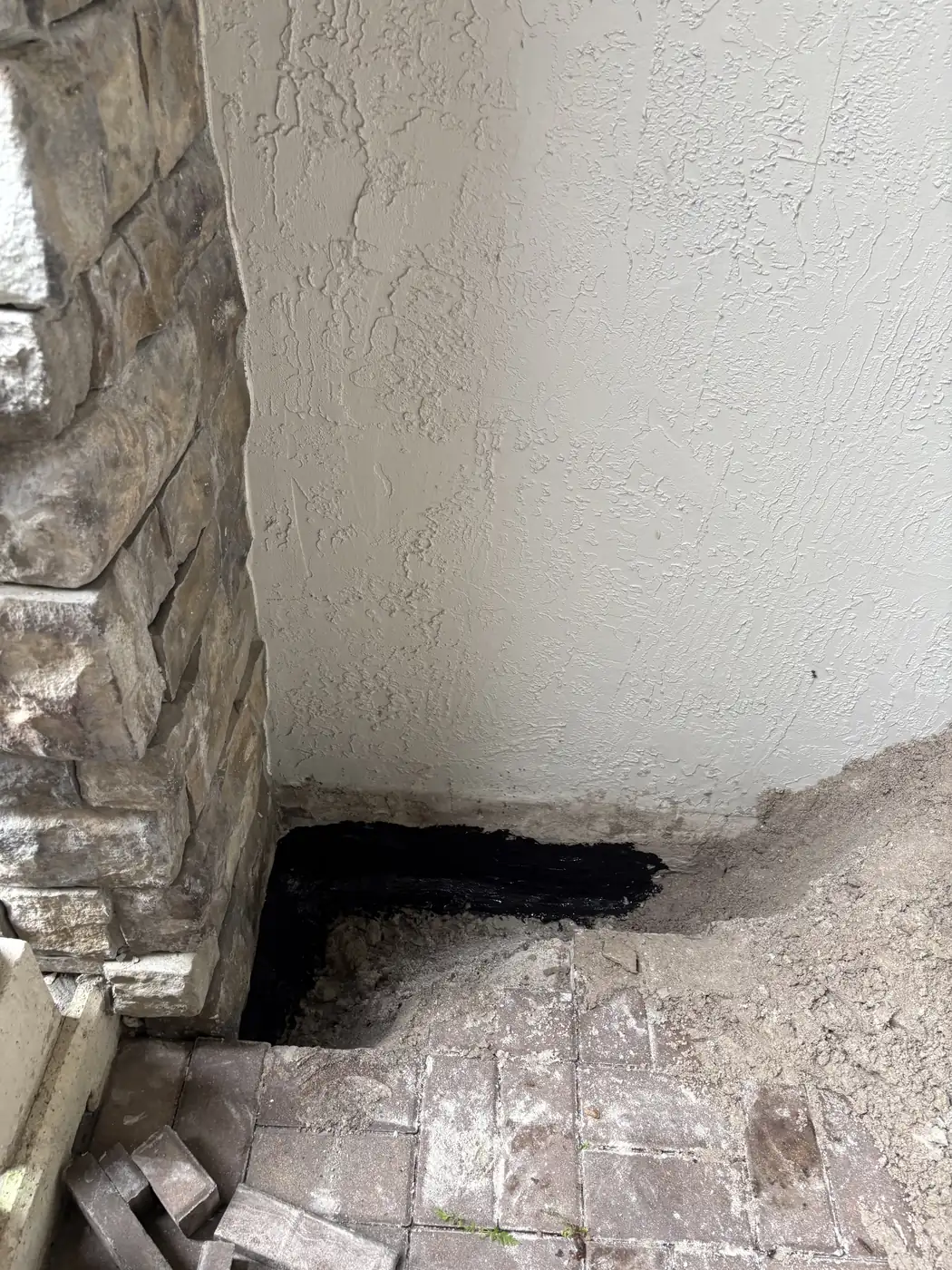
The Short Answer
Fine cracks, soft spots and white chalky stains are early signs that a stucco wall is letting water in. Caught early, they are surface repairs. Left through more rainy seasons, the water can reach the concrete and steel behind the stucco, and the repair gets much bigger. A walk around your house on a dry morning is enough to spot most of the warning signs.
Surface Damage vs Structural Damage
Surface damage stays in the stucco and paint. The wall behind it is fine, and the fix is filling cracks, replacing caulk and recoating.
Structural damage means water has gotten past the stucco to the concrete block or poured concrete behind it. When water reaches the steel inside the concrete, the steel rusts and swells and breaks the concrete around it. That is called spalling, and it cannot be fixed by patching the surface. The damaged section has to be cut out and rebuilt, which is concrete restoration work.
From the street, the two can look almost the same. The difference shows up when you press on the wall and when you look closely at what is behind the crack.
Warning Signs to Check
Walk around your home on a dry morning and look for:
- Fine cracks at corners and window frames: cracks angling away from window corners come from the wall moving with the heat, and they are easy to fix early
- White chalky stains: efflorescence means water is moving through the wall and leaving minerals behind
- Bubbling paint: if a raised spot feels hollow when you press it, the paint has let go and water may be sitting behind it
- Soft or crumbling stucco: stucco that gives under your thumb has soaked up water for a long time, and this is where surface damage turns into something bigger
- Rust-colored stains: brown streaks can mean the steel behind the wall is rusting, which needs a professional look
Dark streaks under windows usually point to failed caulk above them. Our residential caulking service covers that fix.
Where Stucco Damage Starts
Corners and control joints are where cracks often begin, because that is where the wall's movement concentrates. Around windows and doors, the caulk where the frame meets the stucco is usually the first thing to fail, and once it does, every storm sends water behind the stucco.
Walls facing the ocean take the most salt air, so homes near the water in Palm Beach, Highland Beach, Gulf Stream and Manalapan tend to see damage sooner. Balcony edges and overhangs are high-risk too: water that sits on cracked flat concrete works its way down to the steel. See our balcony repair service.
How Fast Surface Damage Turns Structural
There is no fixed timeline. It depends on the size of the crack, how much rain reaches it and what the wall is made of. What is consistent is the direction: a crack that stays open through rainy season after rainy season lets water get a little deeper each time, and the repair grows with it.
The end of the rainy season is a good time to look, because a summer of rain makes the problems easiest to see. Our rainy season checklist walks through what to fix first. For most early damage, stucco repair is the fix. A fresh elastomeric coating then seals the wall.
Ready to Have Your Exterior Looked At?
Anthony Pennacchi & Sons has worked on stucco and masonry for four generations. If you have spotted any of these signs, call (561) 475-0775 to set up an assessment. We serve Palm Beach County and the surrounding South Florida area. FL License CGC1538576.
For condo and commercial buildings with signs of structural damage, our commercial concrete restoration services cover the whole building.
Frequently Asked Questions
What Is the Difference Between Cosmetic and Structural Stucco Damage?
Cosmetic damage stays in the stucco and paint. Structural damage means water has reached the concrete or block behind the stucco and started to damage it. Soft or crumbling stucco, rust stains and concrete breaking away are the clearest signs it has gone past the surface.
Can Small Stucco Cracks Wait?
They can get worse if they sit through more rainy seasons, because each storm can push water deeper into the wall. Fixing them while they are small is the cheapest option. Anthony Pennacchi & Sons can look at a crack and tell you whether it is cosmetic or something more.
What Does Spalling Mean?
Spalling is concrete or stucco breaking away from the inside because the steel inside it has rusted and swelled. It shows up as chunks or flakes coming off the wall, sometimes with rusty steel showing. It needs a proper repair, not a surface patch.