Published March 1, 2026
By Anthony Pennacchi & Sons Team
Anthony Pennacchi & Sons Blog
How We Restore Historic Churches & Cathedrals in Florida
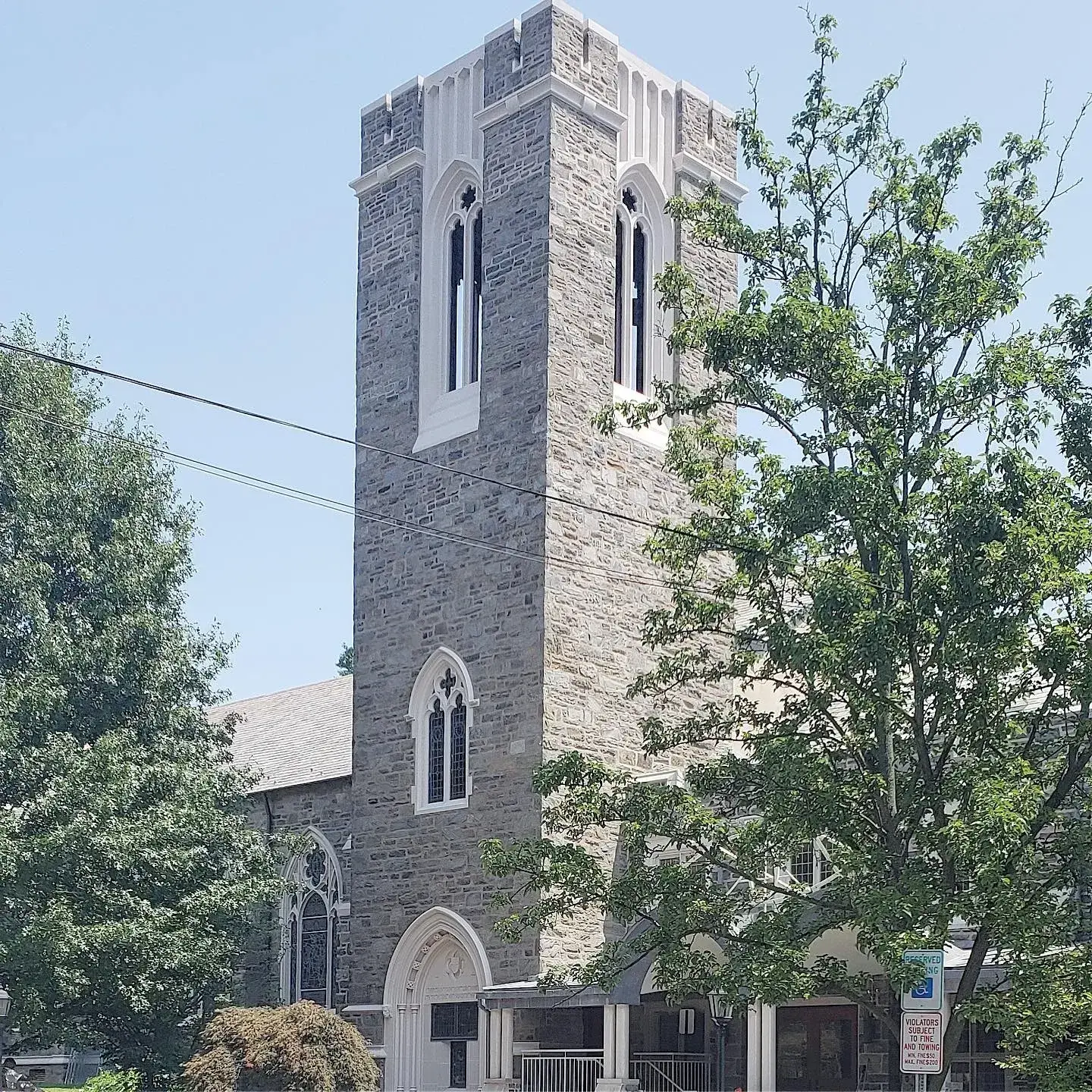
Hiring a general contractor to restore a historic church is the most expensive mistake a congregation can make. General contractors use modern Portland cement on lime-mortar joints, match paint colors by eye instead of laboratory analysis, and treat century-old stone like it is a strip-mall facade. The result is cracked stone, mismatched mortar, and restoration work that has to be torn out and redone within five years. Here is what the process looks like when it is done by masons who actually specialize in religious structures.
At Anthony Pennacchi & Sons, we have been restoring religious buildings since 1947. Four generations of our family have climbed bell towers, repointed cathedral facades, and rebuilt stone archways across Florida, New Jersey, New York, and Pennsylvania. This is not side work for us. Church and cathedral restoration is one of the most demanding disciplines in masonry, and it is one we built our reputation on.
In this article, you will learn:
- How we assess damage on historic religious structures
- The restoration techniques we use to preserve original materials
- Why bell tower and steeple work demands specialized expertise
- How we protect stained glass surrounds during masonry restoration
- The final sealing and waterproofing process that extends a building's life by decades
Phase 1: Initial Assessment and Damage Documentation
Every church restoration begins with a thorough hands-on inspection. We do not rely on surface-level observations. Our team examines the mortar joints, stone and brick faces, lintels, arches, and load-bearing walls to identify every point of deterioration. In Florida, salt air, UV exposure, and hurricane-driven rain create a unique combination of stressors that accelerate masonry failure, particularly on elevated elements like bell towers and steeples that take the full force of the weather.
We document each area of concern with photographs and measurements, then create a prioritized restoration plan. Some damage is cosmetic. Some is structural. The assessment phase is where we determine which is which, because treating a structural issue with a cosmetic fix can lead to catastrophic failure down the road.
Phase 2: Mortar Analysis and Material Matching
One of the most critical steps in church restoration is matching the original mortar. Historic churches were built with lime-based mortars that behave differently than modern Portland cement. Using the wrong mortar does not just look bad. It can actually damage the surrounding stone or brick by trapping moisture and creating stress fractures. Our masons analyze the original mortar composition, color, and texture, then mix custom batches to match. This is not something you can buy off a shelf. It takes decades of experience to get right, and it is a skill that has been passed down through every generation of our family.
Phase 3: Structural Masonry Repair and Repointing
With the assessment complete and materials prepared, the restoration work begins. Deteriorated mortar joints are carefully raked out by hand, not with power tools that can chip and crack historic stone. Fresh mortar is tooled into the joints using traditional techniques that ensure proper adhesion and a finished profile that matches the original construction.
For areas with damaged stone or brick, we source replacement materials that match the original in composition, color, and dimension. When units can be salvaged, we clean and reset them. When they cannot, we find period-appropriate replacements. On cathedral-scale projects, this phase can involve rebuilding entire wall sections, reconstructing arched window openings, or stabilizing flying buttresses that have shifted over decades of settlement.
Phase 4: Bell Tower and Steeple Restoration
Bell towers and steeples are the most vulnerable parts of any church. They are the highest point on the structure, fully exposed to wind, rain, and lightning. In Florida, they absorb the worst of every storm season. The masonry on these elements deteriorates faster than anywhere else on the building, and the consequences of neglect are severe. Loose stone or brick at height is a safety hazard, and water penetrating through a compromised tower can travel down through the entire structure.
Our team has extensive experience working at height on bell towers and steeples. We scaffold the structure, inspect every course of masonry, replace damaged units, repoint all joints, and install proper flashing and cap details to prevent future water infiltration. We also inspect and repair the louver openings where bells are housed, as these are common entry points for moisture.
Phase 5: Stained Glass Support Masonry
Stained glass windows are often the most treasured feature of a church, and they depend entirely on the masonry surrounding them. The stone or brick mullions, tracery, and sills that frame stained glass must be structurally sound. If the masonry shifts, cracks, or deteriorates, it puts pressure on the glass panels and can cause irreversible damage to windows that may be over a hundred years old.
We approach stained glass surrounds with extreme care. The glass panels are protected with temporary shields before any masonry work begins. We then repair or rebuild the stone framework, ensuring proper load distribution so the glass is supported without stress. This work requires patience and precision that only comes from years of experience on religious structures.
Phase 6: Waterproofing and Final Sealing
The final phase of every church restoration is waterproofing. Florida's climate makes this non-negotiable. We apply breathable masonry sealers that repel water while allowing moisture vapor to escape from within the wall. This prevents the freeze-thaw and salt crystallization cycles that break down masonry from the inside out. All joints, flashings, copings, and cap stones are sealed, and we verify drainage paths are clear so water moves away from the structure rather than pooling against it.
75 Years of Restoring Sacred Spaces
Church restoration is not general contracting. It requires master masons who understand historic materials, respect the architectural significance of the structure, and have the patience to do the work right. Anthony Pennacchi & Sons has been doing this since 1947, and our commitment to quality, skill, and honesty is why congregations across Florida and the Northeast trust us with their most important buildings. If your church or cathedral needs restoration, call us at (561) 475-0775 for a professional assessment.
Related Services
SHARE
More From Our Blog
Trust Your Church to 4th-Generation Master Masons
Anthony Pennacchi & Sons has been restoring churches and cathedrals since 1947. Contact us today for a professional assessment of your religious building.