Published September 22, 2026
By Anthony Pennacchi & Sons Team
Anthony Pennacchi & Sons Blog
Does Your South Florida Building Need Masonry Restoration? Here Is How to Tell
Rust stains, broken concrete and widening cracks are not just cosmetic. Here is how to tell whether your building needs restoration or routine upkeep.
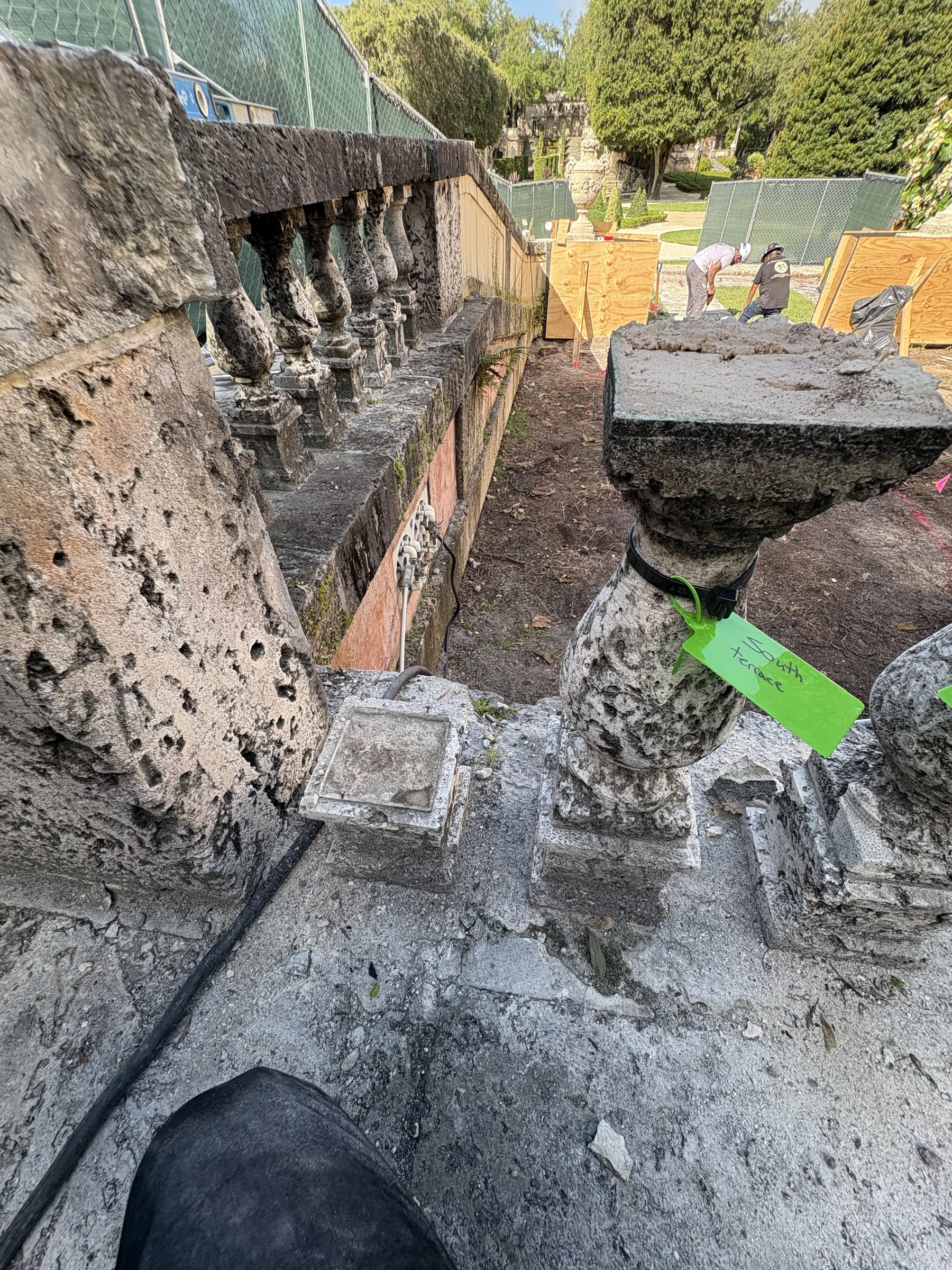
The Short Answer
A building needs masonry restoration when the damage has gone past the paint and into the wall itself. Cracked stucco, white mineral stains, rust stains and concrete breaking away are the clearest signs. Routine upkeep covers paint and caulk. Restoration fixes what is happening behind the surface.
Routine Upkeep vs Masonry Restoration
Routine upkeep keeps a sound building in good shape: repainting or recoating, replacing worn caulk and filling small cracks before they grow.
Masonry restoration deals with damage that has reached the structure: stucco that water has gotten behind, concrete breaking away from balconies or columns, rusting steel inside the concrete and worn-out mortar in brick or block walls. For buildings, see our commercial masonry restoration. For homes, see residential masonry restoration.
The difference matters because painting over a wall that needs restoration does not fix it. It hides the problem for a season while the damage keeps going underneath.
Signs Your Building Needs Restoration
Walk the whole building and look for:
- Rust stains: brown or orange streaks on stucco or concrete usually mean the steel inside is rusting, and that needs a professional look
- Spalling: chunks or layers of concrete breaking off columns, balcony edges or slabs, sometimes showing rusty steel; this cannot be fixed with a surface patch
- Soft or crumbling stucco: if it gives under your hand, it has soaked up water and needs to be cut out and replaced
- Efflorescence: white chalky deposits mean water is moving through the wall
- Hollow spots: tap the wall lightly; a hollow sound means the stucco has separated from the wall behind it
Cracks wider than a hairline are also worth a closer look, because they have usually let in water for a while. Our guide to spotting stucco damage early explains the difference between surface and structural cracks.
What Speeds Up Masonry Damage in South Florida
Salt air is the first factor. Buildings near the ocean, including those in Palm Beach, Manalapan, Highland Beach, Boca Raton and along the Fort Lauderdale beachfront, have salt settling on every masonry surface. Salt soaks into stucco and concrete and makes the steel inside rust sooner.
Daily heating and cooling is the second. Concrete and masonry expand in the afternoon sun and shrink at night. Over the years, that movement opens joints and spreads cracks through sections that started out sound.
How the Age of the Building Changes the Answer
On a newer building, cracked stucco and failing caulk are usually upkeep issues, unless you see rust stains or soft spots.
On a building a couple of decades old, the original caulk and waterproofing are often worn out and the stucco shows real cracking. A full look at the outside is the right first step before deciding between upkeep and restoration. Condo buildings may also be reaching their milestone inspection.
Older buildings, especially near the coast, often need at least some restoration. The question is usually how much. Our commercial concrete restoration services cover condo and commercial buildings. For homes, our residential concrete restoration services run from crack repair to rebuilding damaged concrete.
Ready for a Professional Assessment?
Anthony Pennacchi & Sons has worked on masonry for four generations. We serve Palm Beach County, Broward County and the surrounding area. Call (561) 475-0775 to set up an assessment. FL License CGC1538576.
Frequently Asked Questions
What Is the Difference Between Masonry Restoration and Routine Maintenance?
Routine maintenance covers paint, caulk and small crack repairs on a sound building. Masonry restoration fixes damage that has reached the wall itself: replacing stucco, repairing broken concrete, treating rusted steel and repointing mortar. Getting the diagnosis wrong means paying for repairs that hide the damage instead of fixing it.
How Fast Does Masonry Damage Get Worse in South Florida?
Faster than in milder climates. Daily heat, humidity and salt air near the coast all speed it up, and a crack that lets water in can lead to rust stains or broken concrete over time. How fast depends on the building, the exposure and how much water gets in.
Can I Paint Over Masonry That Needs Restoration?
Only if the wall underneath is sound. Paint over soft, separated or wet stucco does not fix it. The new paint fails, and the damage behind it keeps going. Have the wall checked before any painting.
What Happens During a Masonry Restoration Assessment?
The contractor walks the whole outside, taps suspect areas for hollow spots, notes the crack patterns, checks for rust stains and white mineral deposits and marks every area that needs restoration. The assessment tells you whether you need upkeep, restoration or both.